
I Never Expected to Become a Course Facilitator. And Yet Here I Am.


Traditional postpartum care, rebozo, and the knowledge that was always already ours
There is something I have been sitting with lately, and I want to share it with you honestly.
Teaching was never part of the plan. Not because I lacked the experience or the knowledge, but because the way I was raised to understand care, to practise it, to live it, felt so fundamental that the idea of teaching it never really occurred to me. It would be like teaching someone that when you turn on a tap, water comes out. You do not teach that. You simply know it.
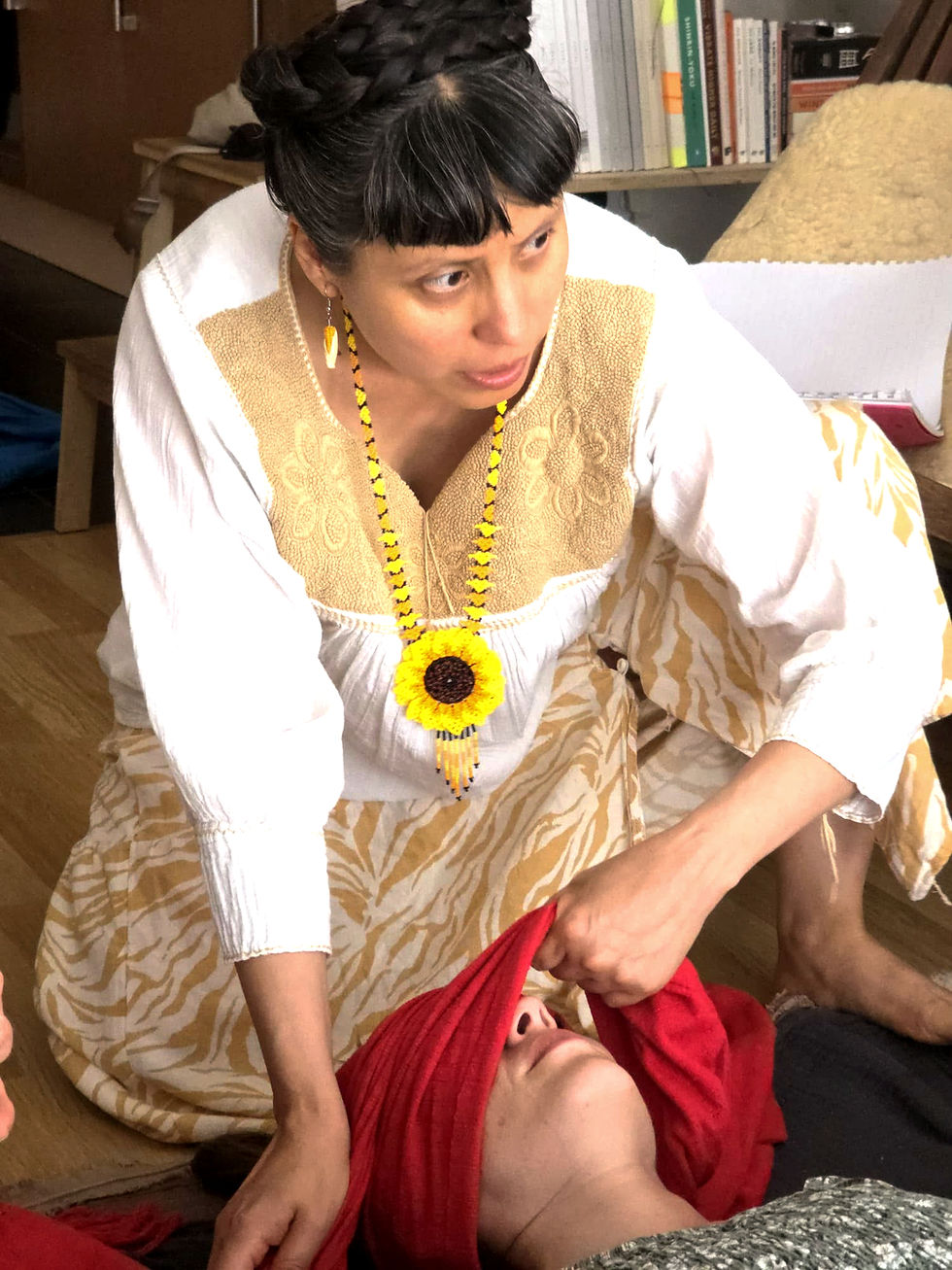
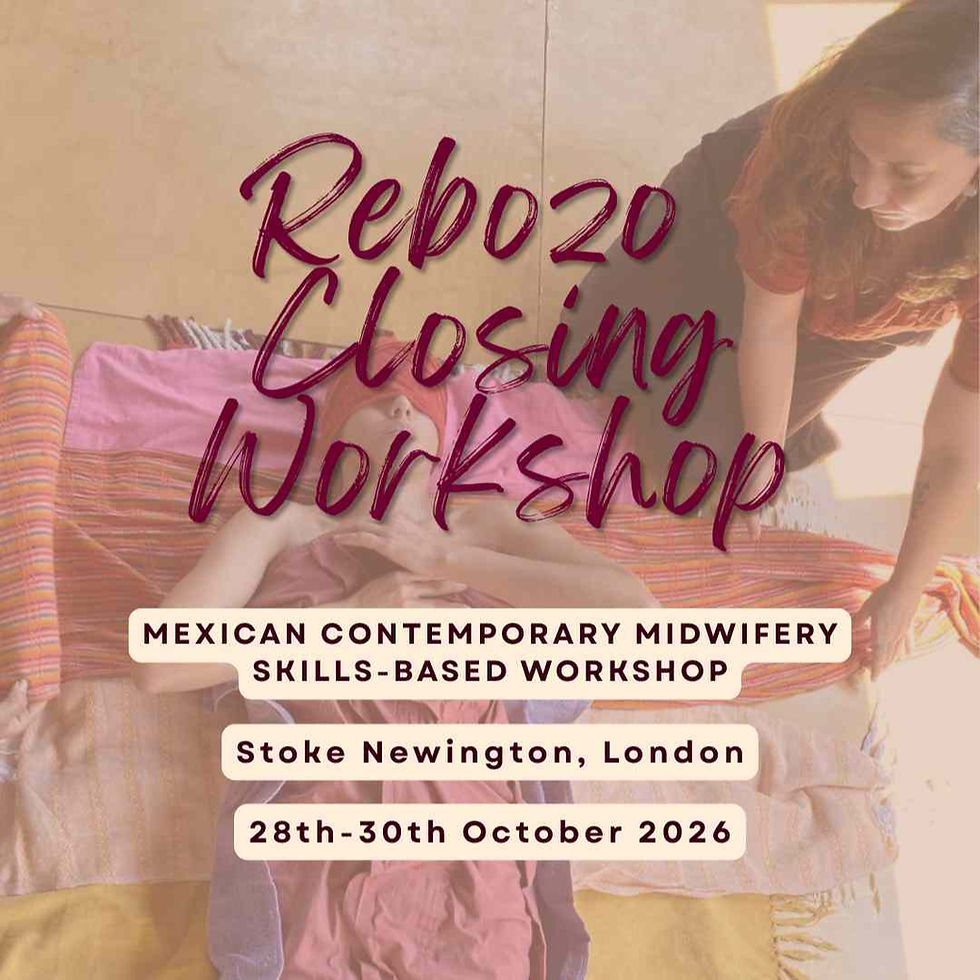
The beliefs that underpin my work, honouring the body after birth, the warmth of a rebozo wrapped around a woman's hips and shoulders, the care that flows through a closing ceremony, these come from my family. From my grandmother. From the region I am from in Mexico. From a line of women who cared for each other through every transition that life brings, including the profound one of becoming a mother.
So when I began facilitating these experiences professionally, offering rebozo care and closing ceremonies in London, I was not teaching anyone anything new. I was remembering. And in remembering, I was offering others the chance to feel what care can be.
Eight years of practice, and what practice has taught me
After eight years of this work, something has become clear to me: practice is an awakening. Every time I wrap a rebozo around someone, every time I hold space for a woman's transition into motherhood, I remember more of who I am and where I come from.
I have gone back to Mexico and sat with my grandmother (when she was still with us) and asked her questions I did not even know I had until I started this work. She was so glad I wanted to hear her stories. I received care myself, because I also need care, and in receiving it I found new questions, new threads to follow. The knowledge I carry was passed to me through the hands and the habits of the women who raised me. It lives in the body. It lives in memory.
And slowly, unexpectedly, or perhaps inevitably, I began to understand that what I do in the world is not just care. It is a living transmission.

What I am here to do (and what I am not)
When I say I am now teaching, I want to be very clear about what that means.
I am not here to hand my students a set of techniques to add to their toolkit and sell to clients. I am not here to commodify my ancestors' knowledge. That is not what this is.
What I am here to do is ignite their memory. The memory of care that lives in all of us, inherited from the women who came before you, whether that inheritance was rich with tenderness or marked by its absence. Either way, it shaped you. Either way, it is yours to work with.
We are all here because someone, somewhere in our lineage, cared for a woman after she gave birth. We would not exist otherwise. That knowledge did not disappear. It is waiting.
My work as a facilitator is to help my students find the threads they were given, and to help them weave with them, and also to create the threads you were not given, where care was lost or interrupted.

A note on decolonisation
This work sits at the heart of what decolonisation means to me in practice. Indigenous knowledge around birth, the body, and postpartum care has been dismissed, pathologised, and erased by systems that valued biomedical authority over ancestral wisdom. Reclaiming it is not nostalgic, it is political. And it is deeply personal.
When I share traditional postpartum practices rooted in Mexican and Latin American tradition, I am not offering you something exotic to borrow. I am modelling what it looks like to remember, and inviting you to do the same for yourself and for the people you support.
Are you feeling called?
If you are a birth worker, doula, midwife, or postnatal practitioner, or someone exploring this path, and something in these words is landing for you, I would love to hear from you.
I now offer workshops, courses, and training in traditional postpartum care, la cuarentena, and closing of the bones with rebozo. I work across London and online, and in both English and Spanish.
Get in touch, or explore how I work if you are looking for personal postpartum support.


Comments